01 · Engineering
Hardware
Portfolio
Various projects taken from concept to completion (and sometimes mass production!)
01 · DropSense
Self-Leveling, Rapidly Deployable Remote Automated Weather Station
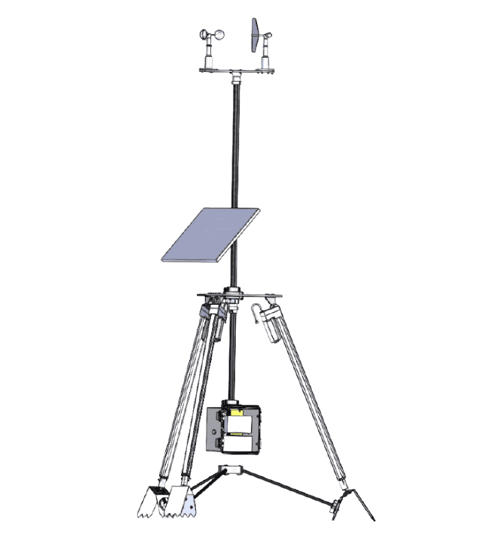
Jack served as project manager for a 6-person, 9-month senior ME capstone in CU Boulder's Entrepreneurship for Social Innovation track. The team targeted wildfire weather infrastructure: the U.S. has one RAWS station per 1,700 square miles, each costing $25,000+ and requiring trained crews and hours to deploy. This often leaves fire response teams working from irrelevant data, taken up to hundreds of miles from the actual fire front.
DropSense is designed to fill that gap. The system sets up in under 10 minutes with no tools, on terrain up to 25° slope, and transmits wind speed, wind direction, temperature, humidity, and barometric pressure over LoRa radio at up to 1-second intervals up to 5 km nominal range.
Jack led design, schedule, and executive decision-making, as well as conducted over 30 interviews with wildland firefighters, utility wildfire directors, and incident management teams to validate the problem space.
The platform uses three linear actuators with IMU feedback to level to within ±2°. An aluminum telescoping mast carries the anemometer and wind vane, while the electronics enclosure suspends below. Everything is purpose-built to be assembled tool-free, leveraging a quick-release flange system, and weighing 34 lbs.
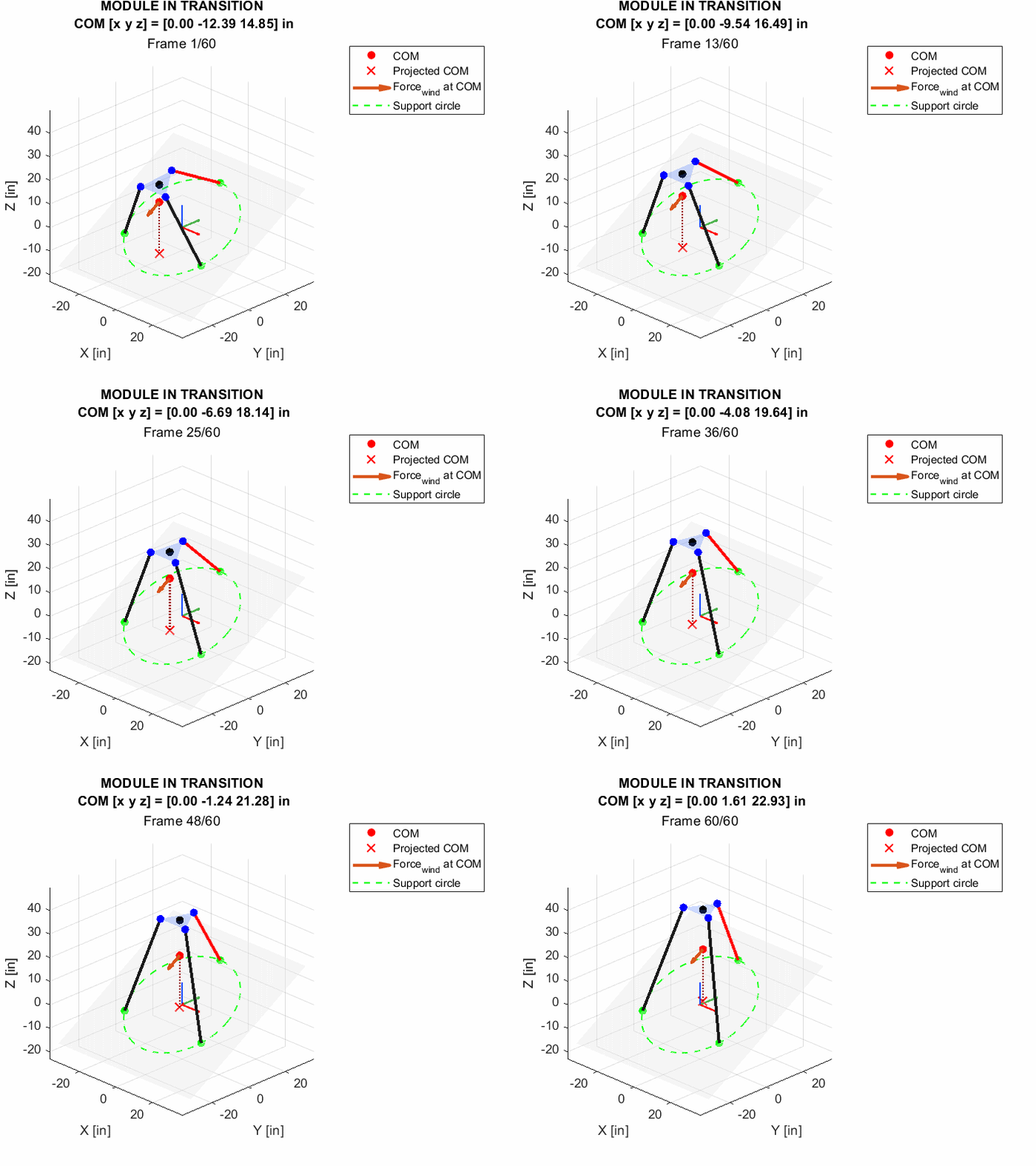
Jack led design validation through a simulation model accepting geometric, weight distribution, and wind condition inputs, outputting a leveling animation and tipping factor of safety that informed both the design constraints and actuator control firmware.
At a production cost of approximately $1,850, DropSense lets fire agencies build a distributed sensor network across a fire perimeter for the budget of a single legacy RAWS. The project concluded with a fully fabricated and field-verified prototype.
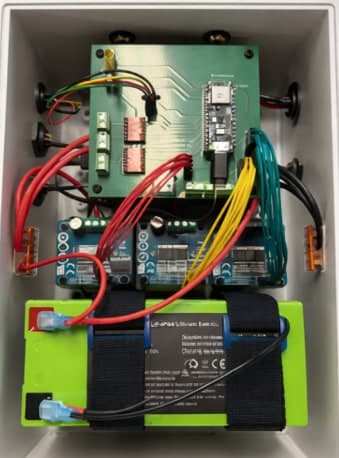
The electronics enclosure, IP45-rated polycarbonate with Gore venting for accurate ambient readings, houses a custom PCB built around an Arduino Nano 33 BLE Sense Rev2, three motor drivers, and a 12V 10Ah LiFePO4 battery. The board handles IMU processing, LoRa transmission, and actuator control in a single low-power system, and a 20W solar panel keeps it all running off-grid: 48+ hours of reserve and a full recharge in a single clear day.
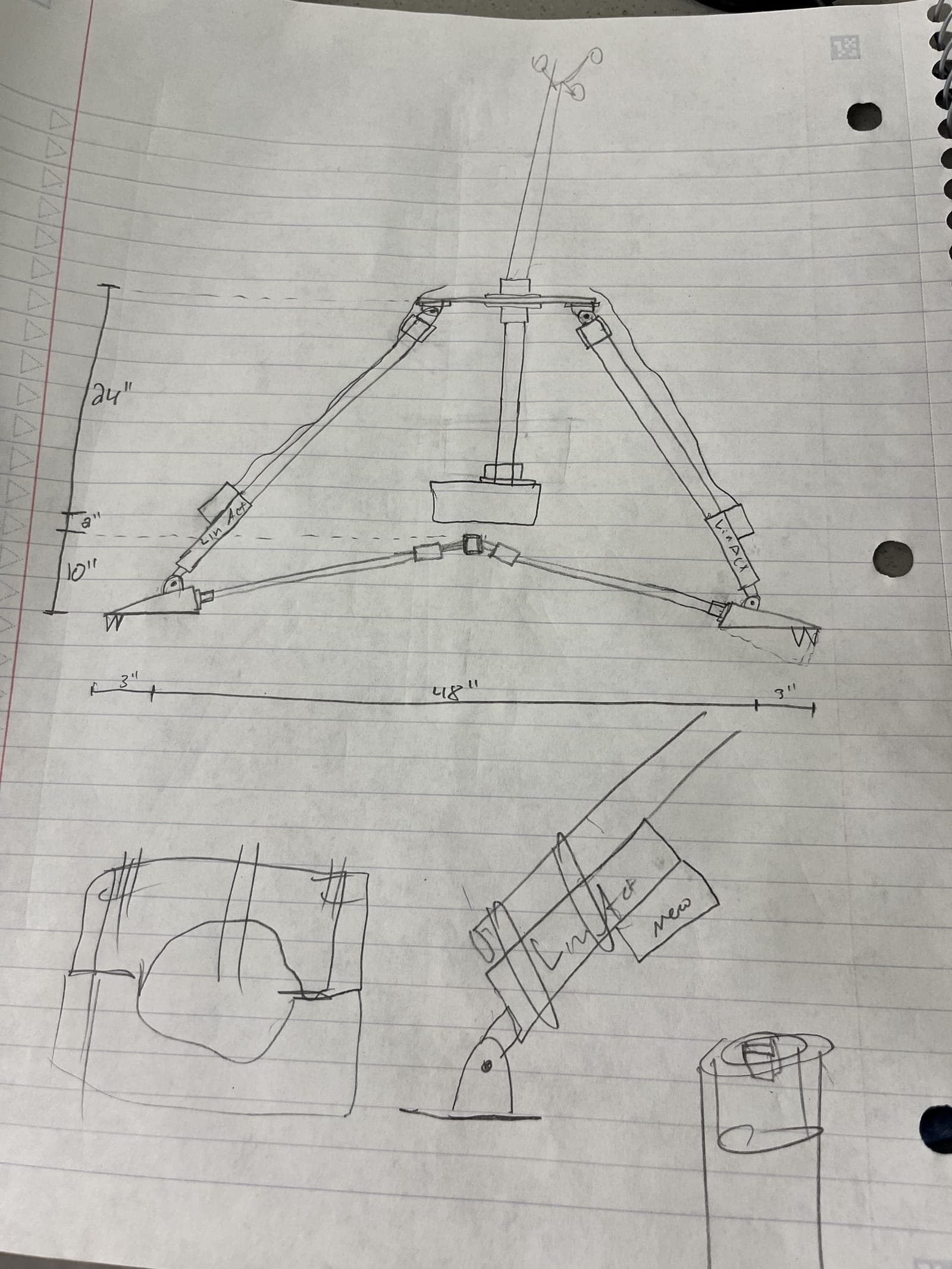
01 · Concept sketch
02 · CAD model
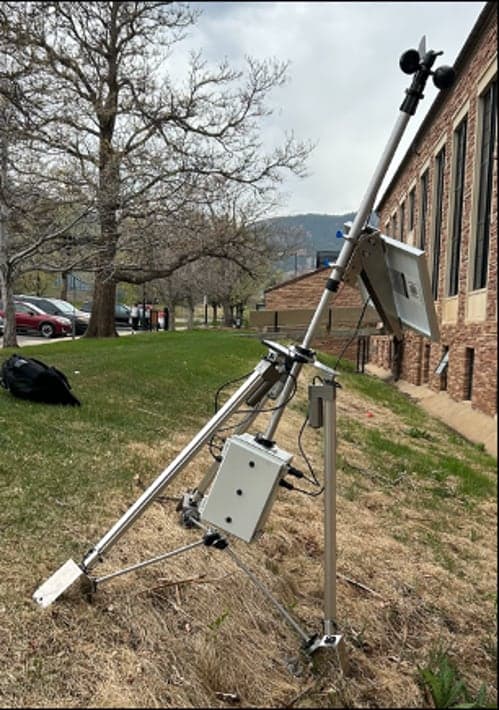
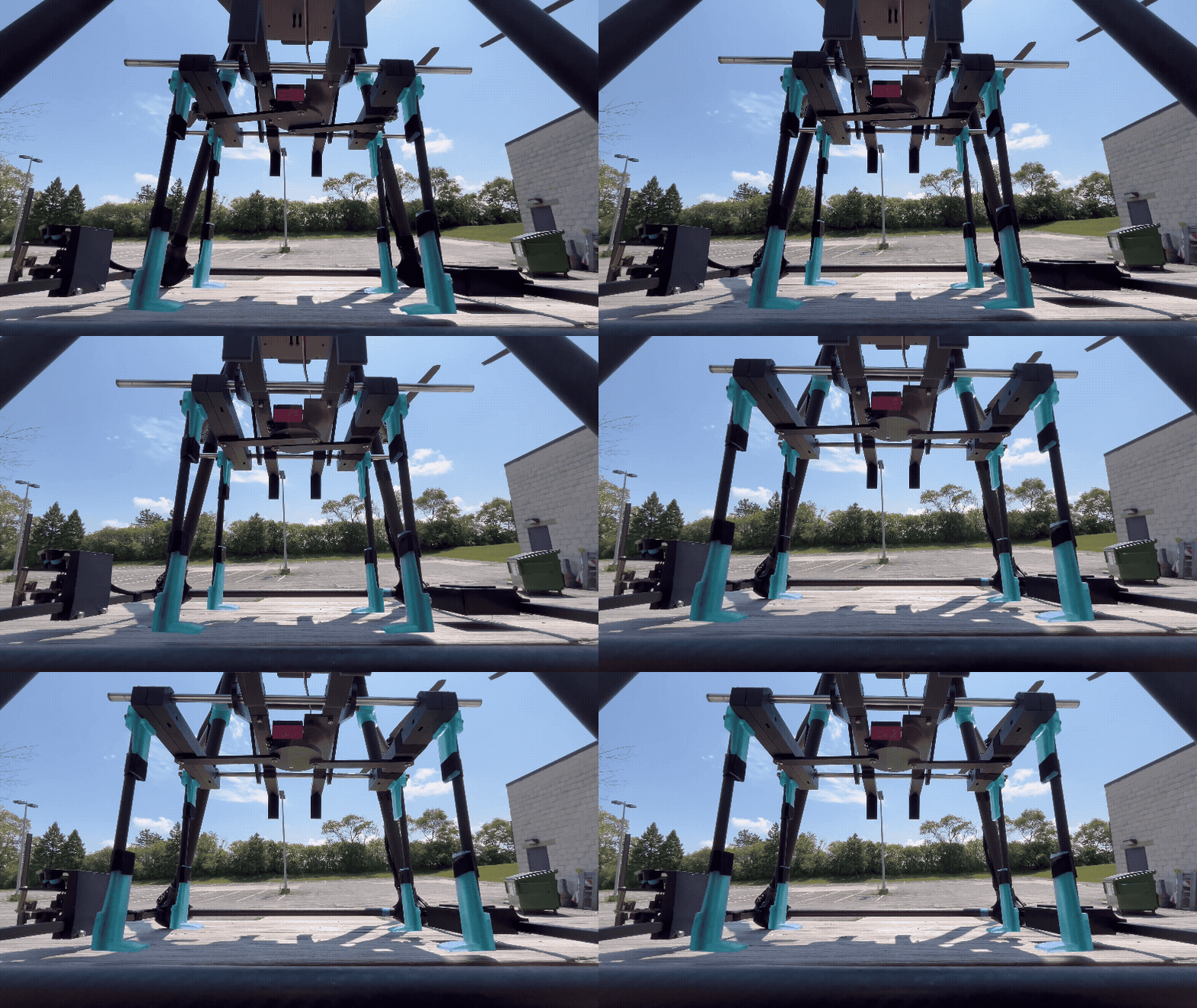
03 · Deployed — tilted
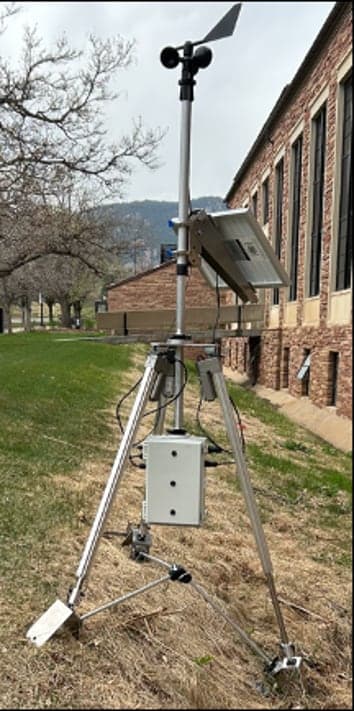
04 · Leveled to ±2°
02 · Rooted Robotics
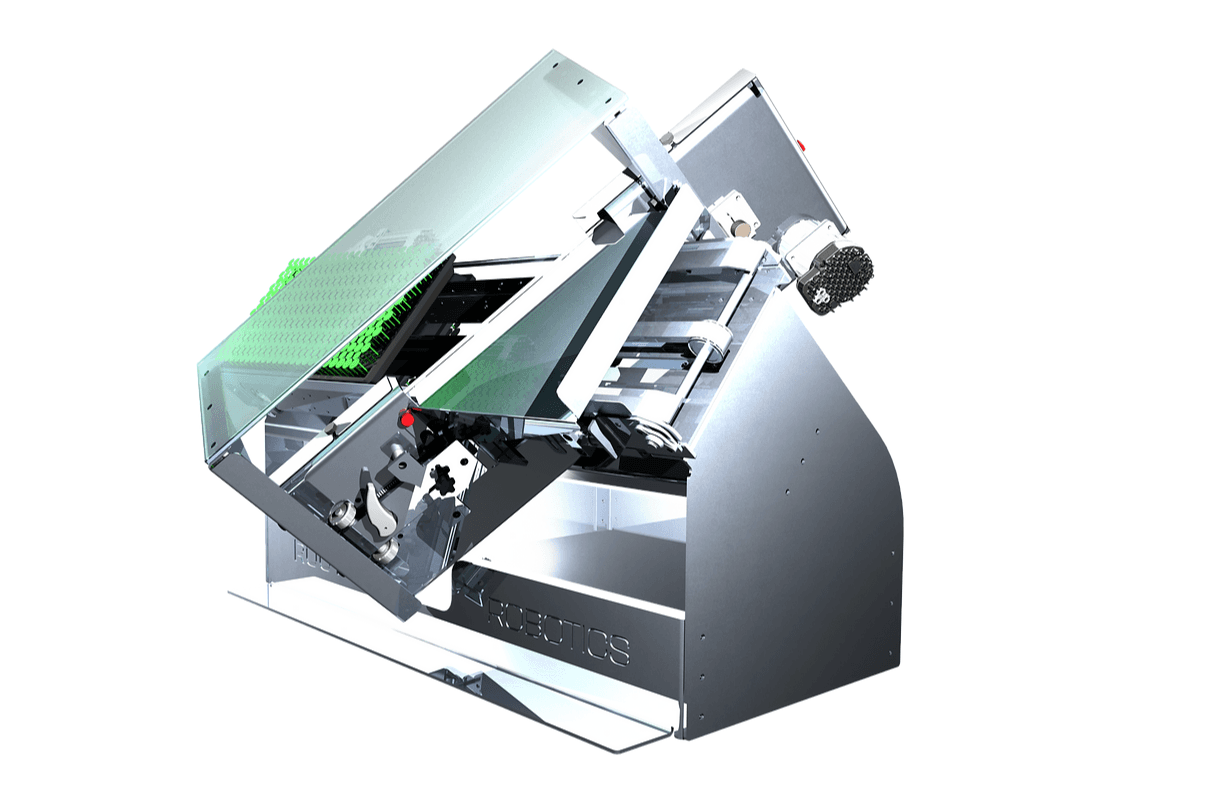
Rooted Robotics Autonomous Microgreen Harvester
Rooted Robotics provides modular automation machinery to small and mid market CEA farmers. This machine is a conveyer-fed microgreen harvester, reducing time-spent harvesting crops from 2 minutes to under 10 seconds per tray. At a volume of 500 trays per week (mid size microgreen farm), this represents over 15 hours of time-savings weekly.
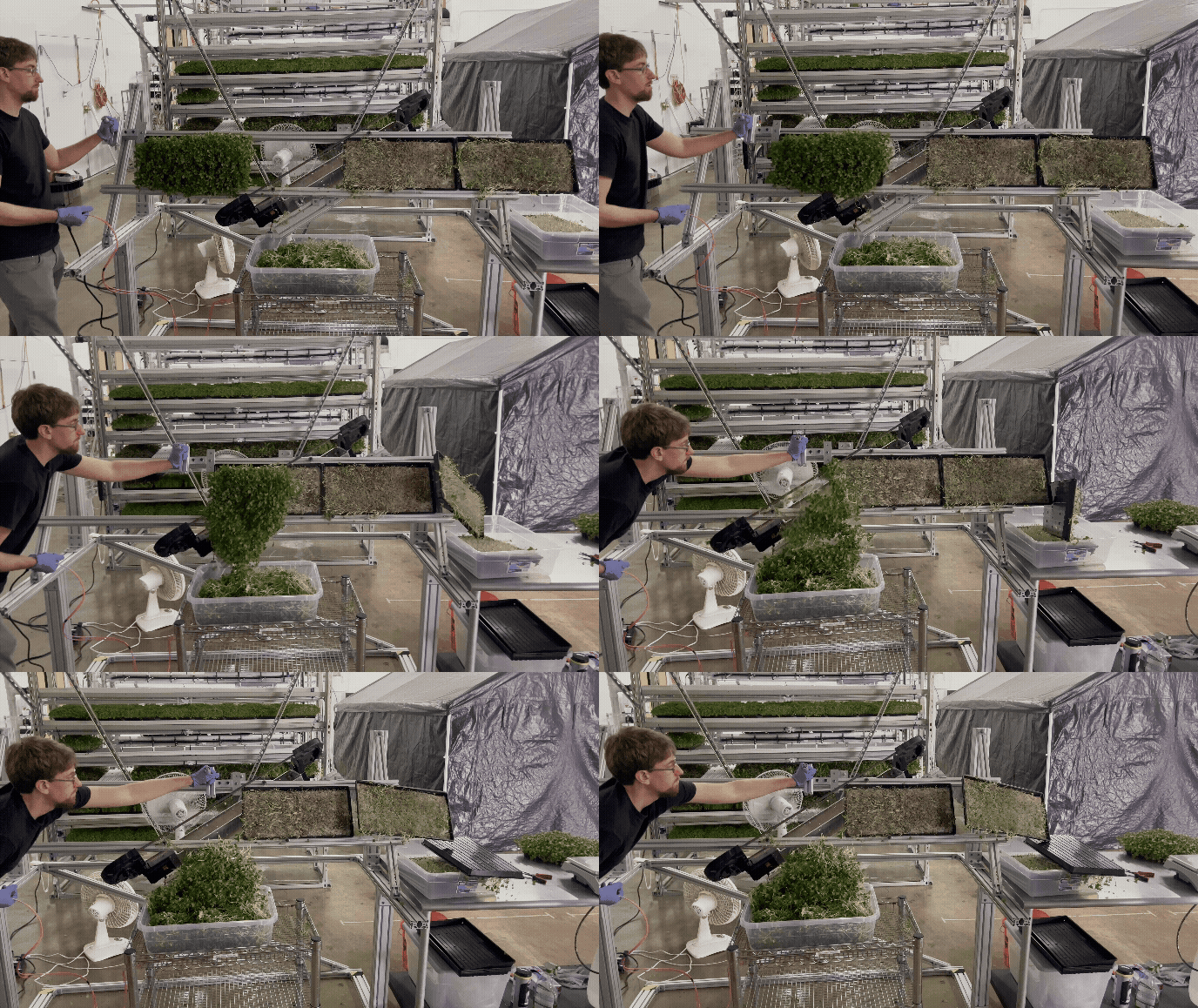
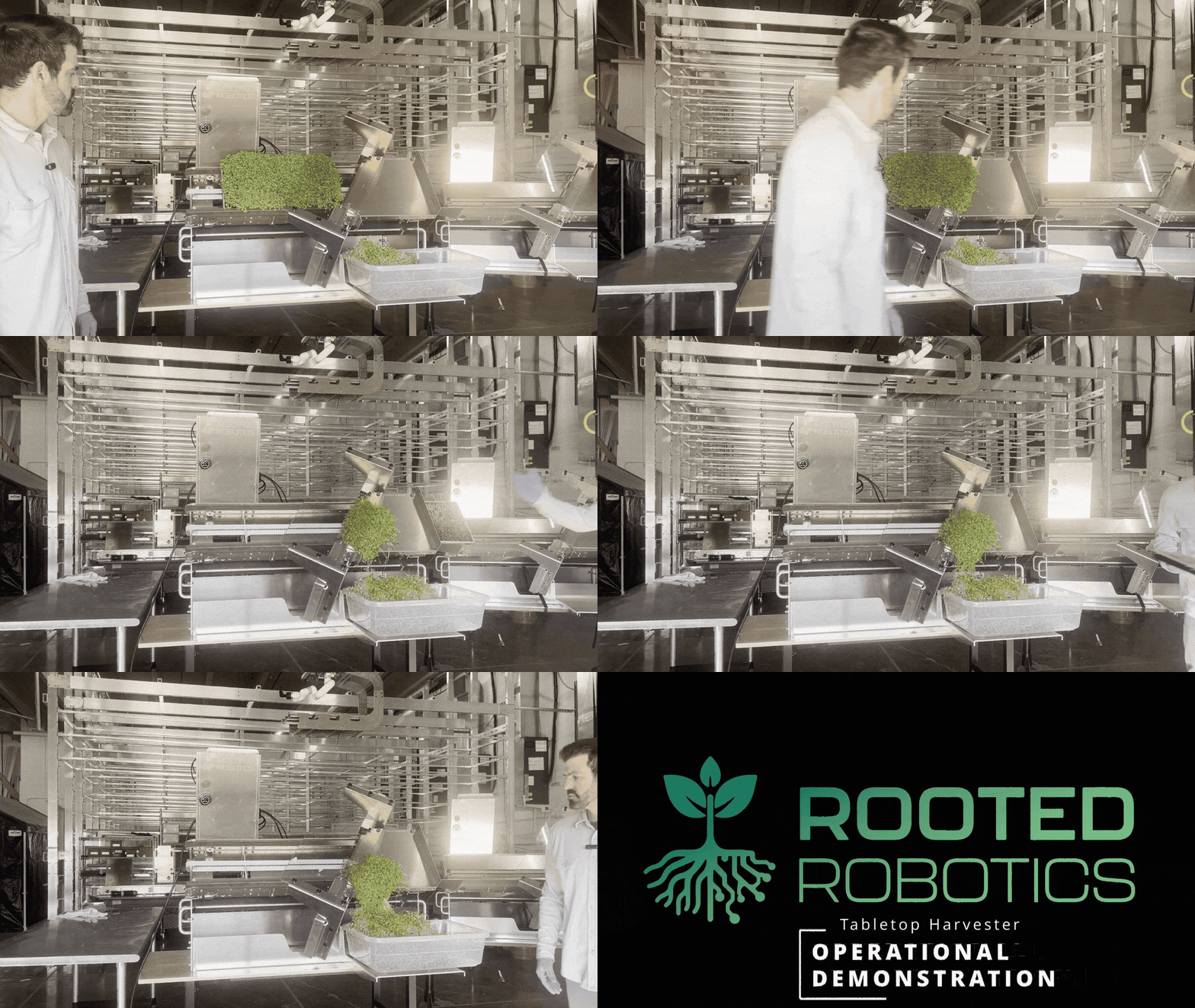
The harvester is conveyer-fed with adjustable speed, and greens are cut by a knife-edge bandsaw. See a video of it in use here, and the product listing here.
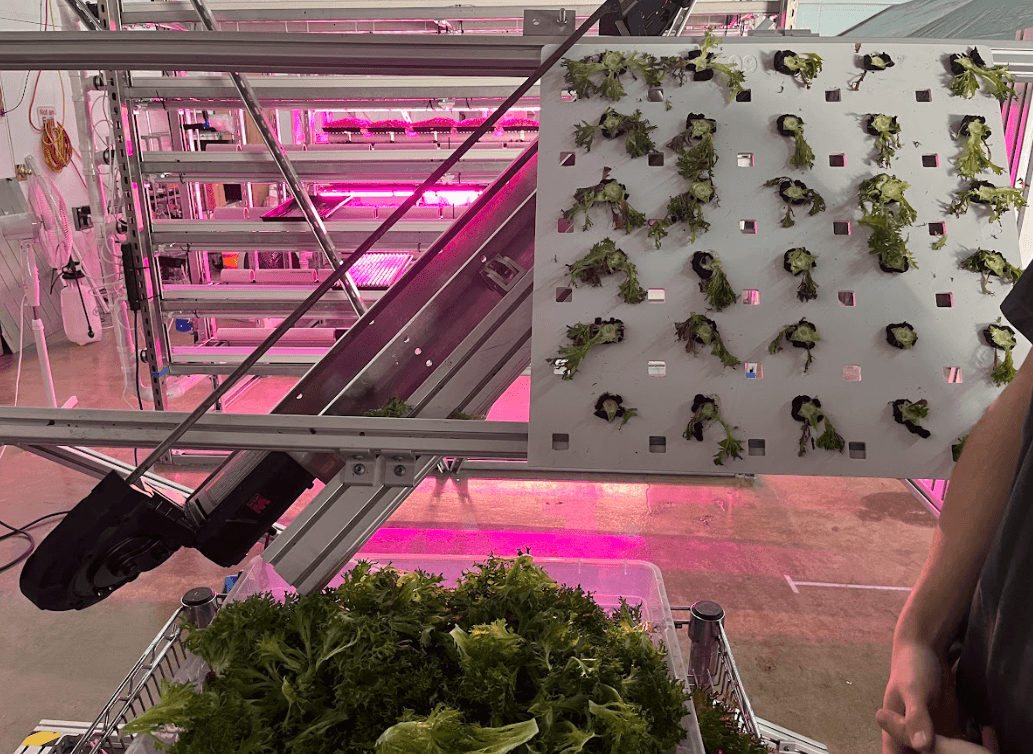
Jack's first responsibility with this product was taking it from concept to functional prototype. Seen below is this prototype. It is 80/20 framing with an OTS band saw that was modified with a custom blade and custom bent sheet metal (SolidWorks) to transform a 6" operational cutting width to 48". The prototype, ~$400, achieved higher yields (96%) than industry leading harvesters being sold for $50,000.
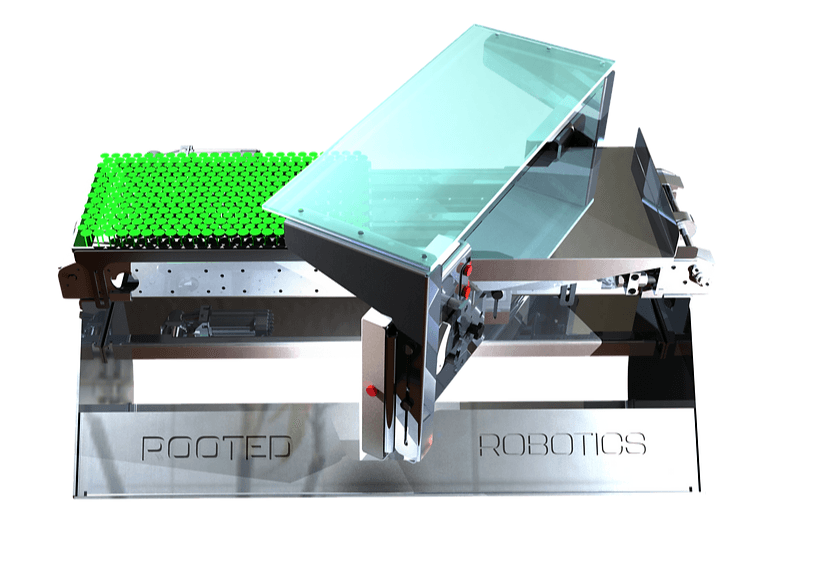
Rooted Robotics' tabletop harvester emerged from Jack's prototype, refined through market validation and engineering iteration. The current product features full customization to best suit any crop regardless of grow media, plant height, or tray size. Areas of personal design ownership include the linear actuation mechanism of the saw-blade, staged conveyer belt design, removeable acrylic blade guard, and the produce funneling catchment. This was achieved through extensive sheet metal design (SolidWorks) and component sourcing and manufacturing (CNC, SLS, FDM), all while employing DFMA principles to minimize part count, simplify assembly, and optimize cost for scalable production.
Prototype in Use
Product in Use
03 · Valqari
Valqari Drone Delivery Package Retention
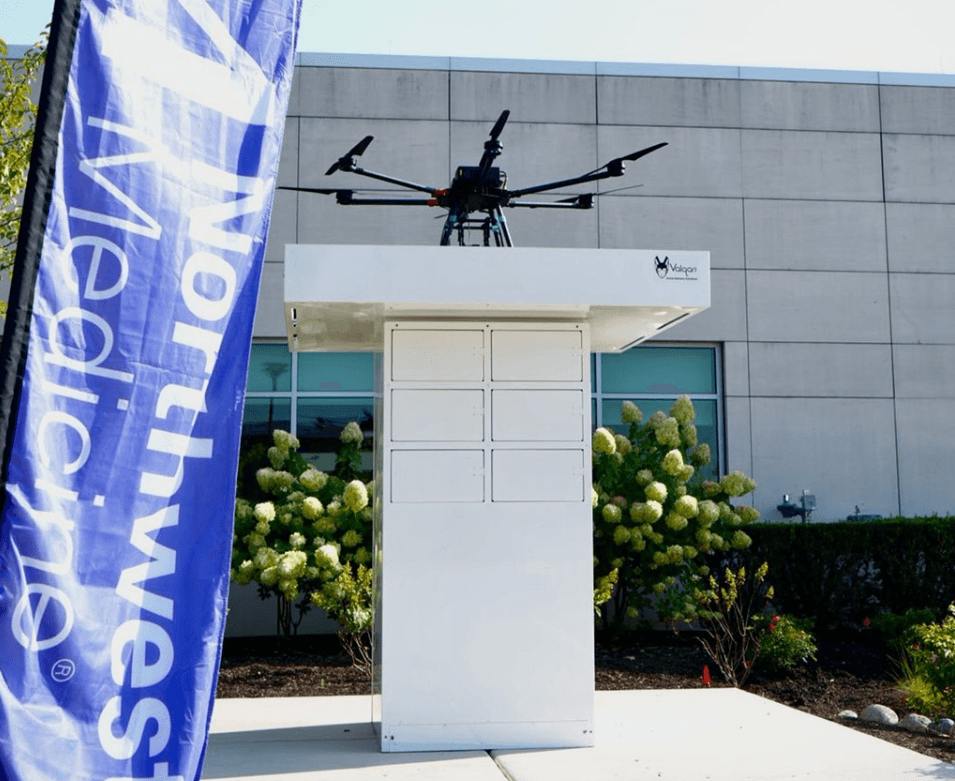
Valqari is a VC-backed hard tech company specializing in secure drone delivery infrastructure and services. They develop autonomous mailboxes, landing stations, and package retention systems that allow drones to safely (and fully autonomously) deliver and retrieve payloads. Their solutions focus on integration with logistics networks to make last-mile drone delivery practical and reliable. After securing a contract with Northwestern Medicine, a package retention mechanism, designed specifically for blood-transfusion payloads, needed rapid development.
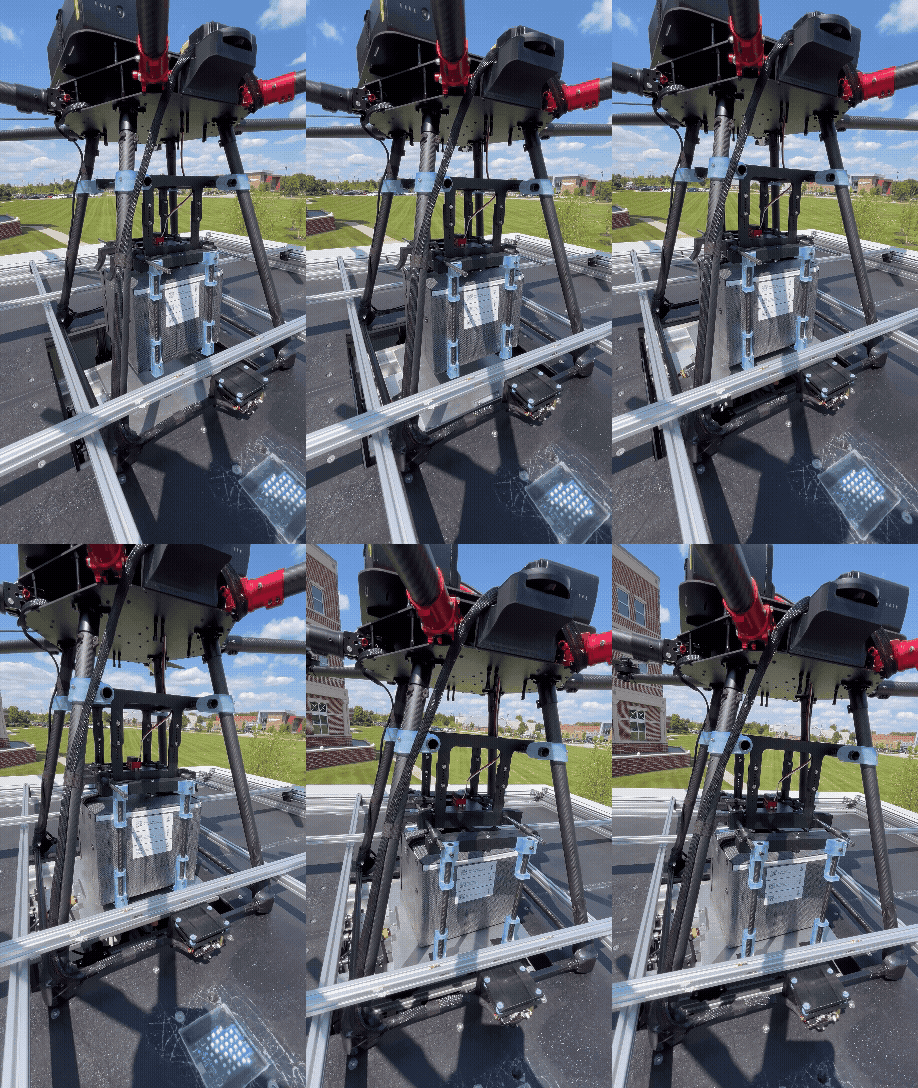
With two-week until deployment, the mechanism needed seamless integration with the drone's flight controller (ArduPilot) and SBC (Raspberry Pi) while maintaining minimal weight. Jack owned this project, communicating with NM executives, establishing payload specs/requirements, and taking the mechanism from need to functioning product (SolidWorks, FDM, SLS). A servo motor driving a crank-slide was utilized for its ability to alter width in the open and closed positions with one motor.
The system can be retrofit to a wide variety of drone landing gear, as well as any package size that fits within said landing gear.
Seen to the right is a live delivery, with the drone transporting blood from a Drone Delivery Station (DDS) at the NM Main Hospital to a DDS at the NM Cancer Center. The drone (created in-house) autonomously releases the package once secured by the centering bars, and the DDS intakes and stores the payload for retrieval by a nurse.
This package retention system was used in Valqari and Northwestern Medicine's pilot contract. Jack led installation, setup and testing, and system troubleshooting, working cross functionally with NM executives and internal support. Valqari's delivery system achieved a 100% success rate with live payload, delivering 114 rapid blood transfusions to patients. This reduced OPEX for Northwestern Medicine and reduced average wait-time for cancer patients in need of a blood transfusion by 26 minutes.
Select Press Surrounding the Project





04 · Blackjack Console
Blackjack House (Dealer) Console/Playboard
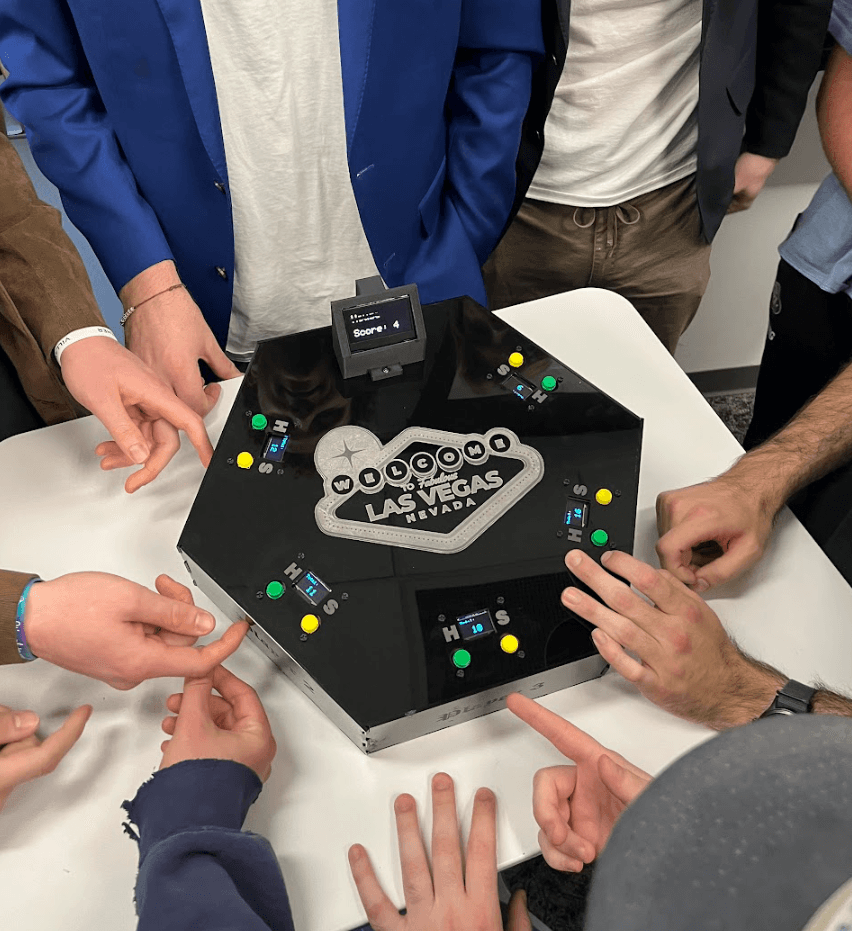
Physical dealer console that brings automation and real-time card tracking to the blackjack table. It features intuitive input controls for up to five players, no dealer! The integrated numeric display and embedded game logic allow all players to participate as betters, while programming (Arduino) takes care of dealing, card counting, bust, and victory indication.
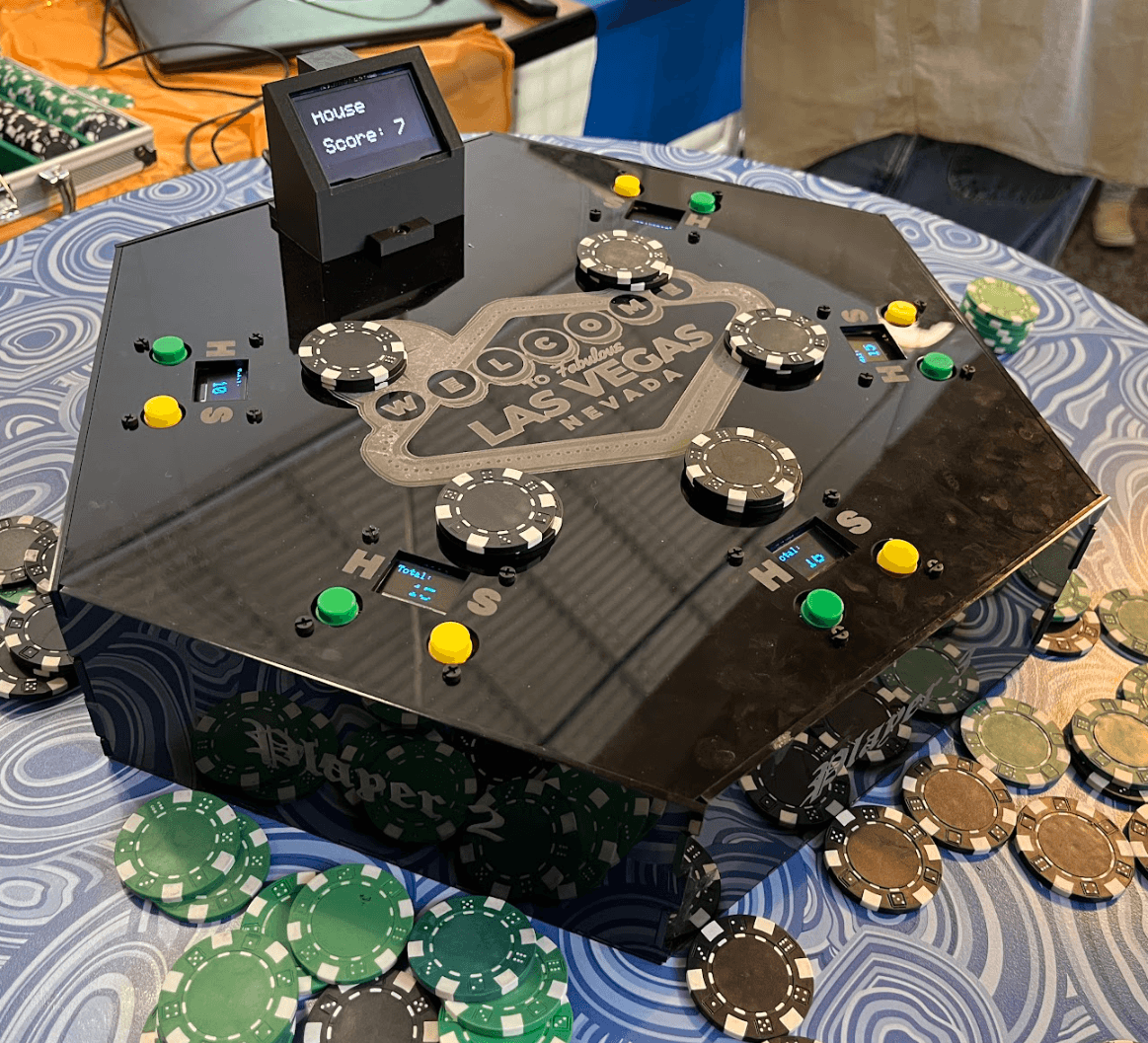
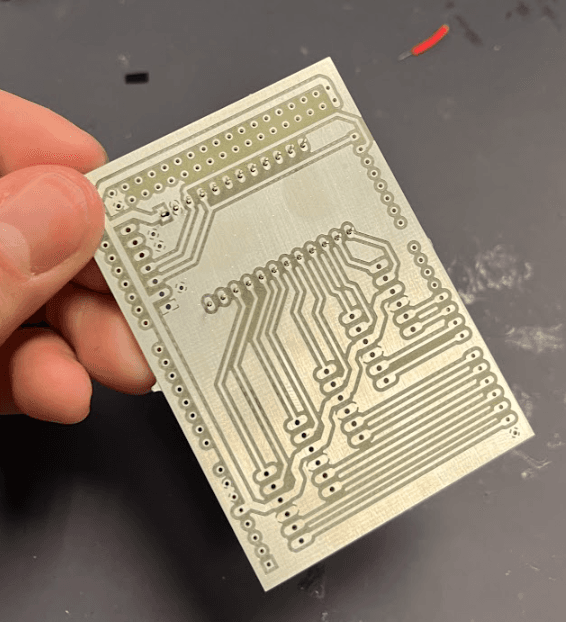
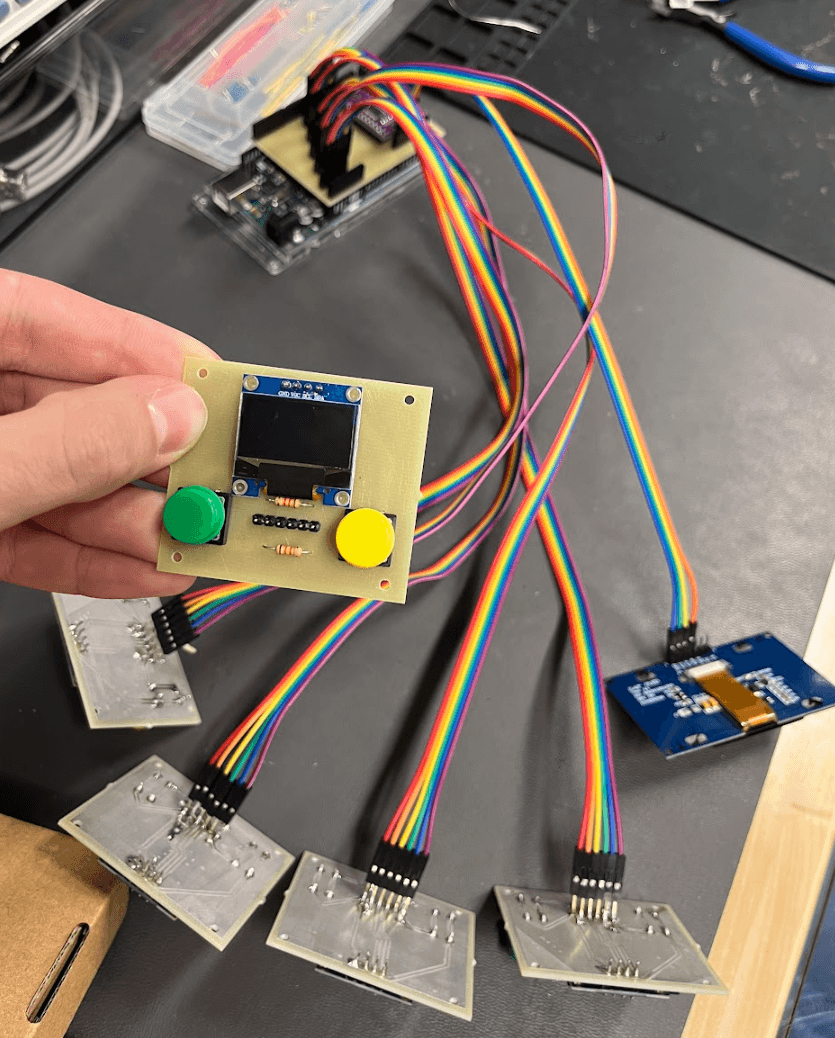
An Arduino Uno was selected as the microcontroller for the blackjack console due to cost-effectiveness and ease of integration with peripheral hardware. To expand capabilities, a custom Arduino shield PCB was developed along with dedicated player PCBs, each equipped with an OLED display and input controls. These boards were designed in Altium and interconnected with a daisy-chained communication structure to streamline both wiring and the programming process. A critical component of this setup was the inclusion of a TCA9548A I²C multiplexer, visible on the custom shield.
The multiplexer enabled the Arduino to manage multiple OLED displays simultaneously by routing I²C signals across different channels, preventing address conflicts and ensuring smooth communication between the central controller and all five player modules. This solution provided the scalability necessary for a multi-player system while keeping the hardware efficient and cost-effective. All PCBs were manufactured in-house using a LPKF ProtoMat S63. Console encasing was designed on LaserGRBL and laser cut on a Fusion M2 40.
05 · Hillgrow
Hillgrow Product Suite
Hillgrow is a company creating out-of-the-box solutions to unlock difficult-to-utilize spaces, like hillsides. As the sole product engineer and developer, Jack was in charge of bringing ideas through to commercialized products via design (SolidWorks), prototyping/validation, cost control, working directly with Hillgrow's manufacturer, and sourcing manufacturers for arising needs. A significant emphasis in development was design for manufacturing and assembly, as product sales exceed 100,000s of units.

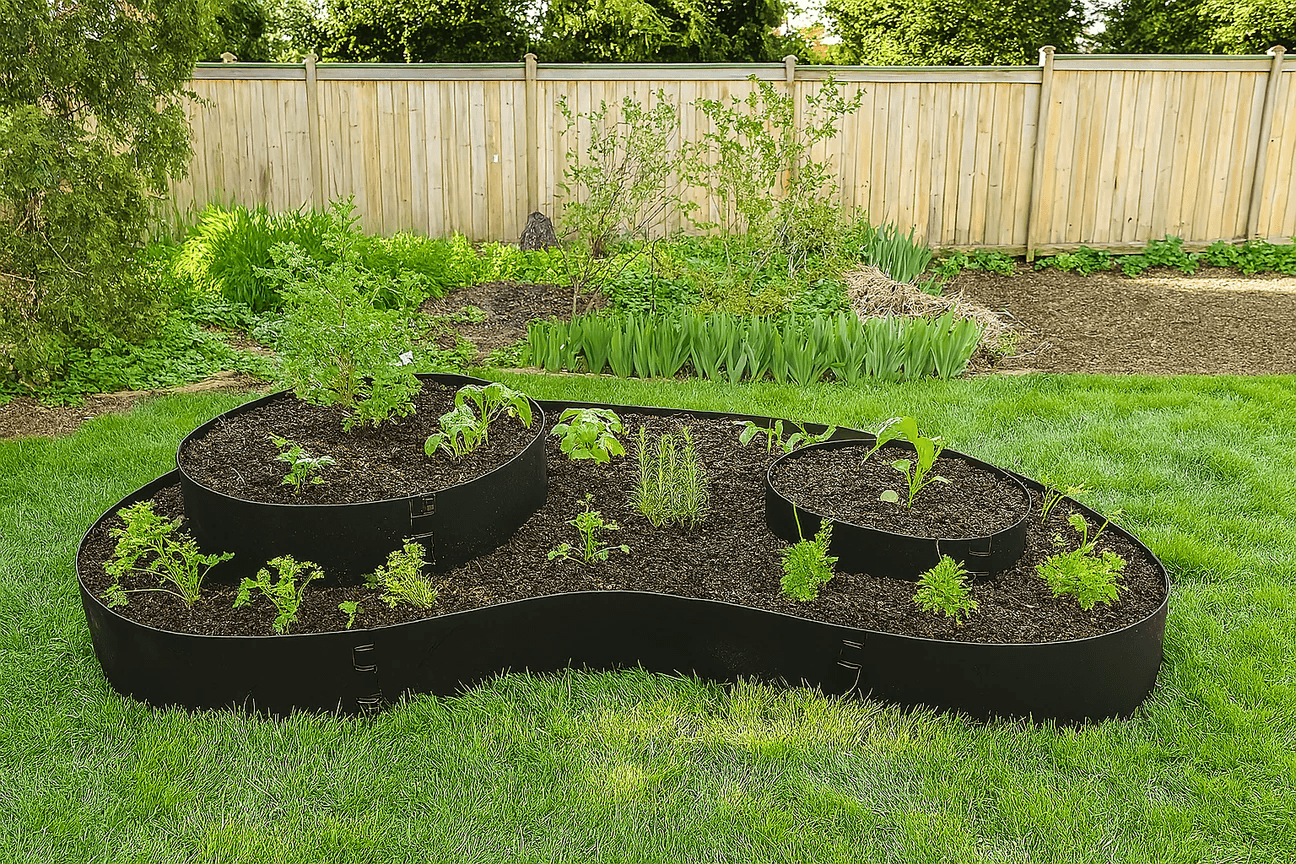
Hillgrow's products are made from 2D plastic that is conformed to create modular 3D structures. This decreases both manufacturing complexity and shipping costs. After consulting with Hillgrow for 14 months, Jack has improved (4), or developed from concept (8), every product Hillgrow offers. He developed expertise in 2D CNC manufacturing at scale and modularized design, while expanding Hillgrow's product line and subsequent markets and revenue.